Tel: +86 15262904857 E-mail: overseas@jsbaileybridge.com
- All
- Product Name
- Product Keyword
- Product Model
- Product Summary
- Product Description
- Multi Field Search


Views: 0 Author: Site Editor Publish Time: 2026-10-09 Origin: Site


Project delays on infrastructure projects inevitably cause budget overruns. They also disrupt local communities. For infrastructure developers and project managers, time equals structural integrity. Every week spent waiting on site pushes timelines backward. This raises public frustration.
The total time to build a truss bridge is rarely defined by physical construction alone. Bureaucratic planning heavily dictates the true schedule. Procurement methods matter just as much. You must choose between custom engineering or pre-engineered designs early. Many stakeholders mistakenly focus only on the site assembly phase. They ignore the extensive pre-construction prep required.
Evaluating realistic timelines requires separating paper planning from structural fabrication. You must also account for physical site installation. We will break down the entire project lifecycle phase by phase. You will learn how distinct bridge methodologies affect the schedule. We also cover how environmental variables directly impact your final delivery date.
Total Project Lifecycle: A standard custom truss bridge typically requires 12 to 36 months from initial concept to final inspection, whereas pre-engineered options can compress this to 3 to 6 months.
Planning Eclipses Building: Geotechnical assessments, environmental impact studies, and permitting account for 60-70% of a traditional project's timeline.
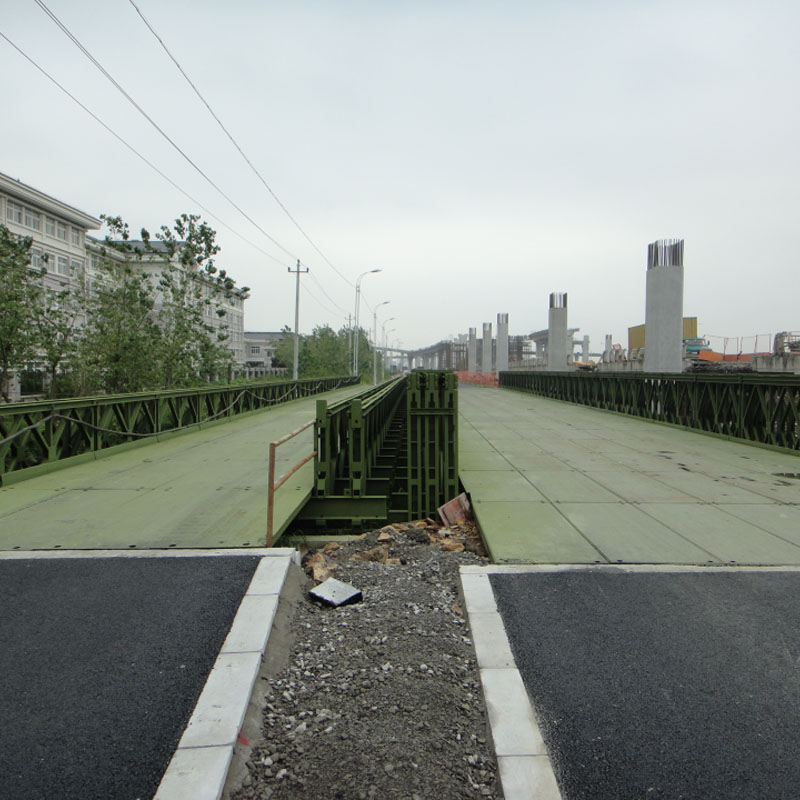
Modular Advantage: Utilizing a bailey truss bridge or similarly pre-fabricated modular design can reduce physical site installation time from months to a matter of days.
Primary Delay Risks: Unforeseen geotechnical conditions (especially in over-water crossings) and supply chain bottlenecks for specific steel grades are the top causes of schedule overruns.
Building heavy infrastructure requires distinct sequential steps. You cannot rush the engineering foundation. Let us examine the four primary phases. Each phase carries unique time constraints. They all demand rigorous project management.
Every structural project begins below the ground. Engineers must evaluate the soil conditions early. They drill deep boreholes to test subsurface stability. Hydrological surveys map water flow patterns. Teams also conduct comprehensive site constraint mapping. This ensures heavy machinery can access the location.
We must establish a critical assumption check here. Timelines in this phase assume standard ground conditions. Soft soils require extended testing. Seismic zones demand rigorous fault analysis. These factors can easily double the geotechnical testing period. You must secure accurate soil data. It prevents disastrous settlement issues later.
Bureaucracy often consumes the largest chunk of the schedule. Structural schematics take time to draft. Engineers must achieve strict DOT compliance. Local engineering standards vary widely by municipality. You will undergo multiple review cycles. Review boards often request schematic revisions.
Environmental approvals represent another major hurdle. Projects crossing water require wetland impact reviews. Ecological agencies evaluate potential habitat disruption. They review sediment control plans. This phase requires immense patience. Rushing permit applications often leads to outright rejections. Rejections reset the clock entirely.
Once permits clear, material sourcing begins. Teams procure specialized steel grades. Off-site manufacturing of structural components happens simultaneously. Fabricators cut and drill the steel. They apply protective coatings off-site. Quality assurance teams inspect every weld.
This phase carries a distinct risk factor. Relying on custom steel shapes extends timelines. Standard mill outputs arrive much faster. Custom fabrication lines face unpredictable backlogs. You should specify common steel profiles whenever possible. It keeps the supply chain moving predictably.
Physical site work finally begins here. Crews construct robust abutments. They pour thick concrete foundations. This site preparation occurs concurrently alongside factory fabrication. Curing concrete takes time. Standard abutments require 28 days to reach full design strength.
Next comes the superstructure assembly. Cranes lift the steel members into place. Workers install the decking surface. Finally, engineers conduct rigorous load testing. They verify deflection limits under stress. The timeline here depends entirely on the design type.
Typical Timeline Breakdown for Infrastructure Spans | |||
Project Phase | Estimated Duration | Core Activities | Primary Delay Risk |
|---|---|---|---|
Phase 1: Feasibility | 3–6 Months | Soil borings, surveying, mapping | Unmapped bedrock or soft soils |
Phase 2: Permitting | 6–18+ Months | DOT compliance, environmental reviews | Ecological impact disputes |
Phase 3: Procurement | 2–4 Months | Steel sourcing, factory fabrication | Custom steel shortages |
Phase 4: Installation | Weeks to Months | Abutments, assembly, load testing | Adverse weather events |
The engineering approach you select defines your calendar. Different methodologies serve entirely different goals. Understanding these categories helps you set realistic expectations.
Site-built designs offer maximum flexibility. They are best for highly customized spans. You might need complex architectural requirements. Extreme heavy-haul load ratings also demand custom engineering. Engineers tailor every component to the specific gorge or river.
However, this methodology heavily impacts the timeline. Traditional builds require extensive on-site welding. Crews must erect massive temporary scaffolding. They rely on prolonged heavy crane usage. Bad weather frequently halts on-site welding. These projects often stretch across multiple construction seasons. You must plan for extended community disruption.
Modular solutions prioritize speed and efficiency. They are best for time-sensitive projects. Emergency replacements rely heavily on this category. Mining access routes and standardized public works also benefit. The engineering is largely completed upfront. Factories produce the parts while the site prep occurs.
The timeline impact is incredibly favorable. Components arrive pre-fabricated. Workers simply pin them together on site. A bailey truss bridge provides a perfect example. Crews can literally "launch" it across a gap. This cantilever method uses rollers and a launching nose. It reduces physical installation to under a week once abutments are cured.
Nature rarely cooperates perfectly. The surrounding environment heavily dictates your construction pace. You must anticipate these external variables early. Ignoring them guarantees budget overruns.
Crossing a river introduces massive logistical hurdles. You cannot simply place a crane in the water. Teams often must install expensive cofferdams. These watertight enclosures allow workers to pour concrete below the waterline. Pumping water out takes time.
Managing underwater pile driving adds further delays. You must mitigate ecological disruption during this process. Wildlife agencies strictly monitor acoustic vibrations in rivers. Fish spawning seasons often trigger mandatory work stoppages. Over-land crossings avoid these specific aquatic delays entirely. They generally progress much faster.
Temperature controls heavy construction. Cold-weather concrete curing times extend significantly. Freezing temperatures halt concrete pouring entirely. You must use expensive heating blankets to keep materials viable. High winds also ground heavy lifting operations. Cranes cannot operate safely during gales.
Spring runoff presents another massive challenge. Flood seasons can force sudden project pauses. High water levels wash away temporary falsework. You must schedule critical river-spanning tasks during low-water months. Missing this narrow weather window delays projects by an entire year.
Location accessibility changes everything. Urban environments offer paved roads. Remote areas offer dirt tracks. Transporting oversized structural nodes causes immense logistical delays. Long steel members cannot navigate tight mountain switchbacks easily.
You may need to build temporary access roads first. Upgrading existing infrastructure just to reach the site costs time. Poor road conditions damage heavy transport vehicles. Pre-engineered modular components solve some of this. They break down into smaller, easily transportable pieces. This helps bypass severe remote access limitations.
Your contractor choice dictates your success. A poorly managed team turns simple spans into multi-year headaches. You must evaluate partners based on scheduling reliability. Look for transparency and proven workflows.
Procurement models affect project momentum. Fragmented bidding divides the work. You hire separate design, fabrication, and installation firms. This approach often creates massive handover delays. Disputes arise between the engineer and the fabricator. Pointing fingers wastes valuable weeks.
Turnkey delivery offers a streamlined alternative. You assess whether the provider manages everything under one roof. Turnkey firms handle blueprints, factory production, and final installation. This single-source responsibility reduces friction. Miscommunications drop significantly. The timeline remains far more stable.
Material availability dictates fabrication speed. You must verify the contractor’s supply chain resilience. Ask about their access to domestic steel reserves. Do they hold inventory on hand? Immediate material access speeds up Phase 3 immensely.
Avoid contractors reliant on vulnerable international freight. Global shipping delays ruin construction schedules. Port strikes or container shortages leave sites sitting empty. Transparent contractors will show you exactly where their steel originates. They provide realistic lead times based on mill rolling schedules.
You must scrutinize contractor proposals carefully. Aggressive timelines often mask terrible planning. Watch for common red flags in bid documents. A trustworthy contractor builds buffer time into the schedule.
Ignoring Permitting Queues: Proposals promising rapid starts without accounting for local municipal backlog.
Unrealistic Cure Times: Timelines accelerating abutment loads before concrete reaches the mandatory 28-day cure.
Overlooking Weather: Schedules placing heavy concrete pours squarely in the middle of freezing winter months.
Vague Fabrication Windows: Lack of specific delivery dates for primary structural steel members.
Building this type of infrastructure requires immense foresight. It remains an exercise in front-loaded risk management. The physical assembly is mathematically predictable. The ground and regulatory conditions are absolutely not. You must prepare for bureaucratic and environmental hurdles.
Here are the core takeaways to remember:
Expect pre-construction planning to consume more than half your timeline.
Choose modular pre-engineered designs if speed is your primary objective.
Factor in seasonal weather windows before signing any construction contracts.
Select turnkey contractors to eliminate costly communication delays.
Your next step requires immediate action. Recommend initiating a preliminary site survey right away. Order a comprehensive geotechnical assessment before finalizing a procurement route. Gathering this soil data early ensures your timeline remains viable. It prevents costly redesigns down the road.
A: The physical assembly is incredibly fast. Putting up a bailey truss bridge usually takes just 2 to 7 days. Crews launch the pre-pinned sections across the gap. However, this excludes the site prep timeline. You must still account for the weeks required to construct and cure the concrete abutments beforehand.
A: It depends on the fabrication phase. A truss bridge requires more complex off-site factory fabrication. Beam bridges use simpler profiles. However, standard beam bridges require immense heavy-lift logistics on site. Modular truss spans often install faster in the field. They bypass the severe span limitations inherent to heavy concrete beams.
A: Non-engineering factors cause the most delays. Environmental permit disputes often halt projects for months. Municipal funding approvals drag out schedules unexpectedly. Finally, unmapped subsurface utility conflicts create sudden work stoppages. Crews hitting unknown pipes must stop entirely until the utility company resolves the issue.
