Tel: +86 15262904857 E-mail: overseas@jsbaileybridge.com
- All
- Product Name
- Product Keyword
- Product Model
- Product Summary
- Product Description
- Multi Field Search


Views: 0 Author: Site Editor Publish Time: 2025-07-15 Origin: Site


What are the Four Parts of a Trestle? Trestles play a vital role in construction and engineering, supporting various structures, from bridges to scaffolds, and even some roads. These versatile frameworks are designed to carry heavy loads and provide stability in challenging environments. But have you ever wondered what makes a trestle so stable and reliable? In this post, we'll break down the four key parts of a trestle: legs, ledgers, cross braces, and lashings. Each component has a unique function that contributes to the overall strength and stability of the structure. You'll learn how these elements come together to form a solid, dependable framework that ensures the safety and durability of a trestle, whether it's supporting a temporary scaffold or a massive bridge.
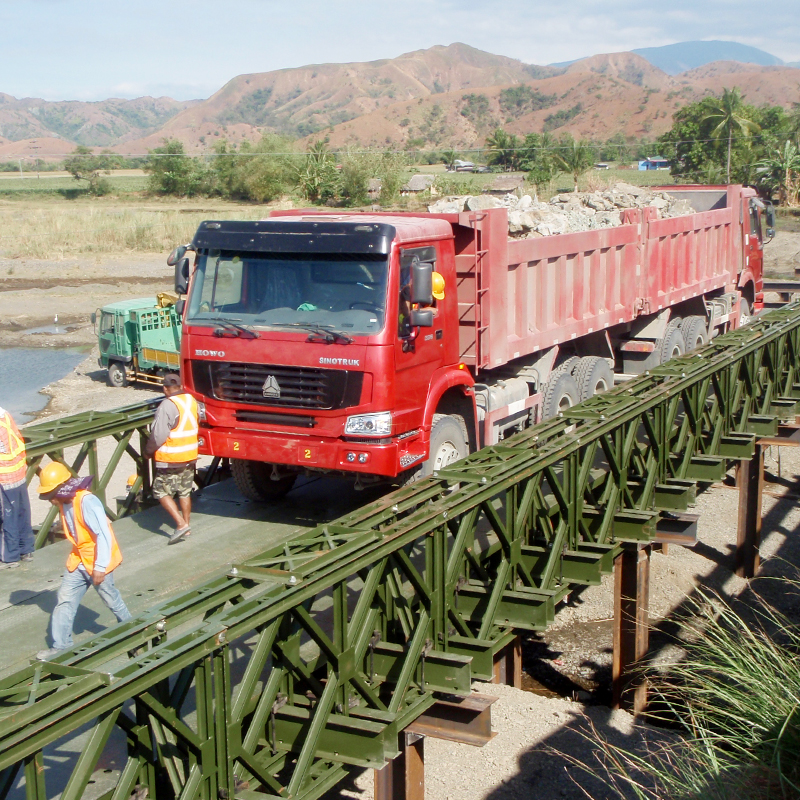
A trestle is a framework made of several components, typically used in construction projects like bridges and scaffolds. It provides support and stability, especially in areas where direct ground contact isn't possible. Trestles are designed to carry heavy loads and withstand external forces, making them essential for large-scale projects.
Trestles have been around for centuries, starting as simple timber structures. They were used in early railroads and bridges, where traditional solid supports couldn't reach. Over time, trestles evolved from wood to steel and concrete, offering greater durability and strength for modern construction.
Today, trestles are used in a variety of construction work:
Railroad bridges: They provide elevated support for rail tracks, allowing trains to cross over rivers or uneven terrain.
Scaffolding: Trestles serve as temporary structures, helping workers access heights safely during construction and maintenance projects.
Heavy-duty construction: In large infrastructure projects, trestles act as vital supporting frameworks for roads, power lines, and other structures. Trestles continue to play an important role in building and supporting complex structures that are crucial for modern infrastructure.
The legs of a trestle are the vertical components that support the weight of the entire structure. They transfer the load to the ground, ensuring the trestle remains stable and can withstand heavy forces. These supports are crucial for maintaining balance and preventing collapse.
Legs can be made from a variety of materials, each suited for different types of trestles:
Wood: Often used in simpler, smaller-scale trestles. It's easy to work with and provides a natural look.
Steel: Used in more robust trestles for bridges or large-scale structures. Steel legs are stronger and can handle more weight.
Concrete: Common in permanent structures, especially for large infrastructure projects. Concrete offers high durability and support.
The construction of legs depends on the size and purpose of the trestle. Here’s what you need to consider:
Height and Width: Legs must be tall enough to support the structure and wide enough to provide stability.
Weight-bearing Capacity: The material chosen affects how much weight the legs can hold. For heavy-duty projects, steel or concrete is preferred.
Placement: Legs are typically placed at equal distances to ensure the structure remains balanced. They must be securely fixed to the ground or base to transfer the load evenly. These vertical supports are the foundation of any trestle, providing the necessary strength to keep everything in place.
Ledgers are horizontal beams that connect the legs of a trestle. They help distribute the load and ensure the structure remains stable. Without these beams, the trestle wouldn’t hold its shape, making the entire structure unsafe.
Ledgers are placed at both the top and bottom of the legs. They provide horizontal support, keeping the legs in place and preventing them from tipping or shifting. These beams also support the weight of any walkway or other load-bearing components of the trestle.
Top ledger (transom): Often referred to as the transom, it serves as a surface for walkways or other load-bearing parts. It’s typically the larger and stronger of the two ledgers.
Bottom ledger: Helps connect the legs and adds stability, balancing the load across the trestle.
There are different types of ledgers, depending on the trestle's use:
Transoms: These are specialized ledgers designed to support walkways, providing a flat surface for people or materials to rest on.
Standard ledgers: These connect the legs and provide structural integrity, ensuring the trestle is stable. Ledgers are essential for ensuring the trestle’s functionality, enabling it to carry the necessary loads safely.
Cross braces are diagonal beams that connect the legs of a trestle, forming an "X" shape. They are crucial for providing lateral stability and preventing the trestle from collapsing sideways. These braces help distribute forces across the structure, ensuring it remains upright and balanced.
Cross braces play a key role in reinforcing the trestle’s structure. They prevent lateral movement, which could otherwise weaken the overall framework. The "X" shape of the cross braces forms triangles, which are inherently strong shapes in engineering. These triangles help spread the weight and forces more evenly, improving the trestle’s overall strength.
Cross braces are placed diagonally between the legs and are securely lashed at the intersection points. The correct placement of cross braces is essential for their effectiveness. They are typically laced in a crisscross pattern, ensuring they create strong triangles that contribute to the overall stability. The placement and tight lashing of these diagonal beams are vital for ensuring the trestle stands firm under load.
Lashings are the ropes or cordage used to bind the legs, ledgers, and cross braces together in a trestle. These binding elements hold the various parts in place, ensuring that the structure remains stable and secure under pressure. Without lashings, the trestle would not hold its shape or support any weight.
There are two main types of lashings used in trestle construction:
Square lashings: These are used to tie the legs and ledgers together. They create a strong, secure connection and are critical for keeping the vertical and horizontal components in place.
Diagonal lashings: These are used to bind the cross braces where they intersect. This lashing creates a tight, supportive bond that adds stability and reinforces the trestle’s structure. Each type of lashing serves a unique purpose and is necessary for maintaining the integrity of the trestle.
Lashings are typically made from ropes or cordage. The material must be strong enough to handle the forces placed on the structure. Common materials for lashings include:
Rope: Strong and durable, perfect for heavy-duty use.
Cordage: Lighter options suitable for smaller trestles or temporary structures. These materials ensure that the trestle remains intact and functional, making lashings an essential part of the overall construction process.
Stability and Safety: Each part contributes to the stability of the trestle and its ability to bear loads. Legs bear weight, ledgers connect and support, cross braces prevent lateral movement, and lashings bind everything together.
Strength of Connection: The strength and quality of the lashings are crucial for ensuring the trestle remains secure under load.
Wood is one of the most common materials used for trestles, especially in small-scale or temporary constructions. It’s easy to work with, readily available, and provides a natural, sturdy look. However, it may not be suitable for high-load applications or areas exposed to harsh weather.Common types of wood used:
Cedar: Known for its resistance to decay, making it ideal for outdoor use.
Pine: Lightweight and inexpensive, but less durable in outdoor conditions.
Fir: Strong and durable, often used for structural supports.
Steel is the go-to material for long-lasting, heavy-duty trestles. It can withstand significant weight and is resistant to corrosion. Steel trestles are often used in bridges and large-scale infrastructure projects. Their ability to endure harsh environmental conditions makes them ideal for permanent, high-stress structures.
Aluminum offers a lightweight alternative to steel. It’s easy to transport and resistant to corrosion, making it perfect for portable or temporary trestles. This material is commonly used in scaffolding and construction projects where mobility and quick setup are important.
Concrete is the most robust material for large, permanent structures like railway bridges. It provides exceptional load-bearing capacity and durability, making it perfect for projects that require long-term stability. Concrete trestles are often seen in industrial applications and are built to last for decades.
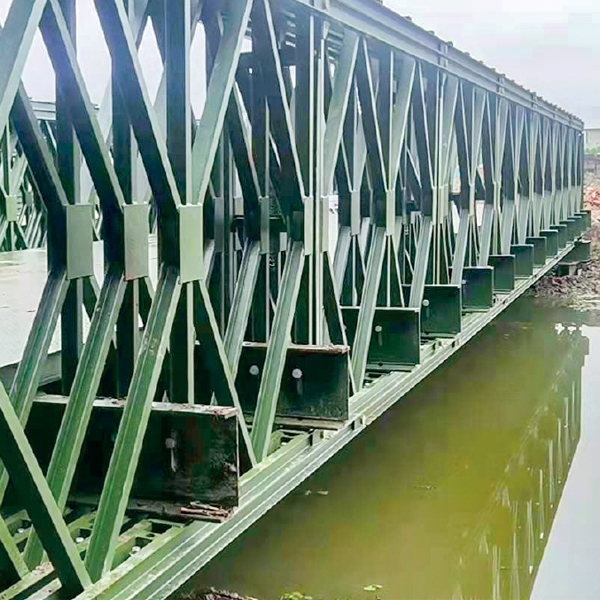
Regular inspections are key to maintaining a trestle’s stability. Check the legs, ledgers, and lashings frequently for any signs of wear or damage. Ensure the lashings are tight and the connections are secure. If any part appears worn, reinforce or replace it promptly to prevent larger issues from developing.
Over time, certain parts of a trestle may need replacing. Wooden trestles, especially, are vulnerable to weather damage, rot, and insect infestation. Look out for cracked or warped wood, loose lashings, and rusted metal parts. Steel or aluminum trestles may need occasional maintenance to prevent rust, while concrete trestles might require crack sealing to ensure their longevity.
Wooden trestles: Replace damaged or rotting wood regularly to maintain strength.
Metal trestles: Look for rust or corrosion and clean or replace as needed.
Concrete trestles: Check for cracks or shifts in the structure, especially after extreme weather.
The climate and weather conditions play a huge role in the lifespan of a trestle. Materials like wood, steel, and aluminum each react differently to environmental factors:
Wood: It’s sensitive to moisture, which can lead to rot or warping, particularly in humid or rainy climates.
Steel: While durable, steel can corrode when exposed to saltwater or harsh environmental conditions, requiring regular cleaning and protective coatings.
Aluminum: It’s resistant to corrosion but can weaken in extreme temperatures. It’s ideal for areas where the weather is unpredictable. Taking these factors into account can help extend the life of the trestle, ensuring it remains strong and functional for years to come.
A trestle consists of four main parts: legs, ledgers, cross braces, and lashings. These essential components work in harmony to create a stable and secure structure, with each part playing a crucial role in maintaining the overall strength and durability. The legs serve as vertical supports, while the ledgers connect the legs and provide horizontal stability. Cross braces enhance lateral support, and lashings bind everything together. When building or maintaining a trestle, it's important to carefully consider the materials and design choices for each component. By making informed decisions, you can ensure long-lasting performance and reliability, even under heavy loads and harsh conditions.
A1: The legs act as vertical supports, bearing the weight of the structure and ensuring its stability.
A2: No, cross braces are crucial for providing lateral stability and preventing the structure from collapsing sideways.
A3: Square lashings are typically used for connecting the legs and ledgers, while diagonal lashings are used for securing the cross braces.
A4: Common materials include wood, steel, aluminum, and concrete, each offering unique benefits for different applications.
A5: Regular inspections and ensuring the lashings remain tight are key for maintaining the structure. Replace worn-out parts promptly.


