Tel: +86 15262904857 E-mail: overseas@jsbaileybridge.com
- All
- Product Name
- Product Keyword
- Product Model
- Product Summary
- Product Description
- Multi Field Search


Views: 0 Author: Site Editor Publish Time: 2025-12-02 Origin: Site


Steel construction bridges have long been a critical component of modern infrastructure, serving as vital connections for transportation, commerce, and daily life. The strength, durability, and versatility of steel make it an ideal material for bridge construction, ensuring that these structures remain functional and safe for decades. From highway overpasses to major river crossings, steel bridges continue to outperform alternatives, offering long-lasting solutions for the growing demands of urbanization, traffic volume, and environmental challenges.
This article will delve into the reasons why steel is the preferred choice for bridge construction, the advantages it provides in terms of durability, safety, and cost-efficiency, and how it contributes to long-term infrastructure planning.
One of the key reasons steel bridges are considered ideal for long-lasting infrastructure is their exceptional durability. Unlike other materials such as wood, concrete, or stone, steel possesses an inherent resistance to wear and tear from environmental elements like water, wind, and extreme temperatures.
Steel is highly resistant to corrosion, especially when treated with protective coatings or alloys designed to withstand harsh environmental conditions. Modern steel bridges are often treated with corrosion-resistant coatings, such as galvanization or special paint systems, that protect the metal from moisture, salts, and pollutants. This is particularly important for bridges located in coastal areas or places with extreme weather conditions.
Solution: With proper maintenance and protective coatings, steel bridges can last 50 to 100 years or more, significantly outliving other materials.
Steel maintains its structural integrity across a wide range of temperatures, from the freezing cold of northern climates to the intense heat of desert regions. Unlike concrete, which may crack under temperature fluctuations, steel’s flexibility allows it to expand and contract without losing its shape or strength.
Solution: This makes steel bridges ideal for regions that experience temperature extremes, ensuring the infrastructure remains stable and secure throughout its lifespan.
The strength of steel is one of the most significant reasons it is used in bridge construction. Steel has an impressive strength-to-weight ratio, which means it can support heavy loads with relatively minimal material compared to other substances like concrete or wood.
Steel bridges are particularly well-suited to support heavy traffic, including commercial trucks, trains, and even military vehicles. In industrial zones or cities with high transportation needs, the ability of steel bridges to carry large loads without compromising their structural integrity is essential.
Solution: This capacity for heavy load-bearing is crucial for maintaining safe and efficient transportation routes, as steel bridges can withstand the daily stresses of high traffic volume without requiring frequent repairs or replacements.
Steel also offers unparalleled flexibility when it comes to bridge design, enabling the construction of larger spans and more complex structural layouts. This makes steel an ideal material for creating bridges that cross large rivers, highways, or valleys without the need for intermediate supports, which can obstruct traffic or increase construction complexity.
Solution: Steel’s ability to support wide spans helps reduce the number of supports required, saving on construction costs and providing clearer, unobstructed pathways for both vehicles and pedestrians.
While the initial cost of steel construction might be higher than other materials, its long-term benefits make it an extremely cost-effective option for bridge building. Steel bridges typically require less maintenance over time compared to their concrete or wood counterparts, making them a more affordable investment in the long run.
Steel bridges are often quicker to assemble than other types of bridges. Many steel bridge components can be prefabricated in a factory and then transported to the construction site for assembly, reducing the time spent on-site. This is particularly valuable for infrastructure projects in busy urban areas or for temporary bridges that need to be quickly installed in emergency situations.
Solution: The speed of steel bridge construction minimizes the disruption to traffic, local businesses, and the surrounding environment.
Steel bridges are less prone to damage and require less frequent maintenance than other types of bridges. While maintenance is still necessary to ensure the longevity of the structure, steel’s durability means that repairs and replacements are needed far less often than with concrete or wooden bridges.
Solution: This leads to a significant reduction in long-term maintenance costs, making steel bridges a more economical option for both public and private infrastructure projects.
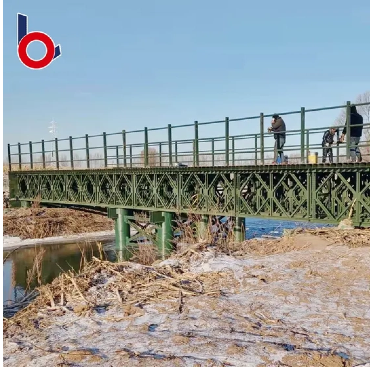
As the world continues to focus on sustainability and reducing carbon footprints, steel bridges are an environmentally friendly option for infrastructure development. Steel is a highly recyclable material, and much of the steel used in bridge construction is derived from recycled steel. This contributes to a reduction in the environmental impact of bridge building.
Steel is 100% recyclable without losing its strength or quality, meaning that steel bridges can be dismantled and the materials reused at the end of their life cycle. This reduces waste and minimizes the need for new raw materials, making steel a more sustainable choice than concrete or wood.
Solution: The ability to recycle and reuse steel materials contributes to the creation of a circular economy in the construction industry, where materials are continually repurposed, reducing waste and the environmental impact of infrastructure development.
While the production of steel can be energy-intensive, advancements in technology have made the process more energy-efficient over time. Modern steel mills utilize cutting-edge processes to reduce emissions and energy consumption, making steel production more sustainable than ever before.
Solution: The combination of steel’s recyclability and the energy-efficient methods used to produce it makes steel bridges a more environmentally friendly choice in the long run.
Steel’s inherent flexibility and strength make it highly resistant to seismic and wind forces. In regions prone to earthquakes, hurricanes, or strong winds, steel bridges provide a higher level of safety and stability compared to other types of bridges.
Steel’s ability to bend and flex without breaking is particularly advantageous in earthquake-prone areas. When subjected to seismic activity, steel structures can absorb and dissipate energy, reducing the risk of collapse.
Solution: This seismic resistance is critical in ensuring the safety and longevity of steel bridges, particularly in regions with high seismic activity.
Steel is also highly resistant to the effects of strong winds. This makes it an ideal choice for bridges in coastal areas or regions that experience frequent storms. The flexibility of steel allows it to sway with the wind, reducing the likelihood of structural failure.
Solution: Steel’s wind resistance ensures that bridges can continue to perform safely even in the harshest weather conditions.
Steel construction bridges are used in a variety of applications, ranging from road and rail crossings to pedestrian bridges and temporary emergency structures. Some of the most common uses for steel bridges include:
Steel bridges are integral to the world’s transportation infrastructure, providing reliable crossings for vehicles, trains, and pedestrians. These bridges are essential for highways, railroads, and even waterways, facilitating the movement of people and goods.
In addition to road traffic, steel bridges are commonly used for railroad crossings. These structures must be capable of supporting heavy train loads and enduring constant vibration and movement, which makes steel the ideal choice for the job.
Steel is also used for pedestrian and bicycle bridges, particularly in urban areas or parks where crossing over rivers or roads is necessary. Steel bridges provide a safe and efficient means of transportation for non-motorized traffic.
Steel construction bridges have proven time and again to be the ideal choice for long-lasting, durable infrastructure. With their strength, flexibility, low maintenance requirements, and environmental benefits, steel bridges are indispensable to the global transportation network. From supporting heavy traffic to withstanding extreme weather conditions, steel bridges offer solutions that are both cost-effective and sustainable.
As we look to the future, steel bridges will continue to be a critical part of infrastructure development, providing safe, reliable, and long-lasting crossings for generations to come. Their ability to withstand the challenges of time and nature ensures that steel will remain the material of choice for infrastructure projects worldwide.
In the world of steel bridge manufacturing, companies like Jiangsu Bailey Steel Bridge Co., LTD. play an important role in designing and producing high-quality steel bridges that meet the evolving needs of modern transportation networks. Their expertise in producing durable and cost-effective steel bridges ensures that communities across the globe can rely on these essential structures for safe and efficient travel.


