Tel: +86 15262904857 E-mail: overseas@jsbaileybridge.com
- All
- Product Name
- Product Keyword
- Product Model
- Product Summary
- Product Description
- Multi Field Search


Views: 0 Author: Site Editor Publish Time: 2025-11-20 Origin: Site


Construction access bridges are an essential component of large-scale infrastructure projects. These temporary or semi-permanent structures provide a means of access to construction sites, allowing workers and materials to safely cross natural or man-made obstacles such as rivers, ravines, or other areas that are difficult to reach by traditional means. Selecting the right construction access bridge is critical to ensuring the efficiency, safety, and overall success of a project. This article explores the key factors to consider when choosing construction access bridges for large projects.
The load capacity of the bridge is perhaps the most important consideration when selecting a construction access bridge. The bridge must be able to safely support the weight of both personnel and construction equipment, which can be significant. Depending on the type of project, this may include heavy machinery, materials such as concrete or steel, and trucks used for transporting goods to and from the site.
Safety: A bridge that is not designed to support the required load can collapse, causing injury or fatalities.
Efficiency: Bridges with inadequate load capacity can lead to delays if they require additional support or maintenance during the course of the project.
Long-Term Durability: Overloading a bridge can significantly reduce its lifespan and necessitate costly repairs or replacements.
It’s essential to have a clear understanding of the expected load demands at different stages of the project and choose a bridge that can accommodate these needs. Additionally, consider the fact that construction loads can fluctuate during the project, so the bridge should be capable of handling peak loads without risk.
The terrain and site conditions are crucial factors in determining the type of construction access bridge required. Construction sites are often located in challenging environments, such as wetlands, mountainous regions, or flood-prone areas, where the ground may be uneven or unstable. Understanding the terrain will help you determine the appropriate type of bridge and the materials needed for construction.
Slope and Elevation: Bridges for construction sites on hilly or sloped land may require additional supports or ramps to ensure the bridge is stable and accessible.
Water Crossings: If the construction site involves a river, stream, or any other body of water, the bridge must be designed to handle both the weight of traffic and the environmental factors, such as flooding, tides, or fast-moving water.
Ground Stability: A bridge built on unstable ground or loose soil may need special foundation designs to prevent settlement or tilting over time. Site preparation, including grading and soil stabilization, might also be necessary.
The material of the construction access bridge will significantly impact its durability, weight, cost, and maintenance needs. Common materials used in construction access bridges include steel, aluminum, concrete, and composite materials. Each material has its advantages and drawbacks, and the choice of material will depend on the project’s specific requirements.
Steel: Steel is a popular choice for construction access bridges due to its strength, durability, and ability to handle heavy loads. However, it may require regular maintenance to prevent rust and corrosion, especially in wet or humid environments.
Aluminum: Aluminum is lightweight, corrosion-resistant, and often used for temporary or portable access bridges. It is an excellent option when weight is a concern, but it may not offer the same load-bearing capacity as steel.
Concrete: Concrete bridges are typically more permanent structures and can support heavy loads. They are durable but can be expensive and time-consuming to build.
Composite Materials: Some modern access bridges are constructed from composite materials, which combine the strengths of both steel and plastic. These materials are often lighter, more resistant to corrosion, and require less maintenance.
The material selected must be capable of withstanding the environmental conditions at the construction site, as well as the expected traffic loads. Durability and maintenance costs should also be factored into the decision.
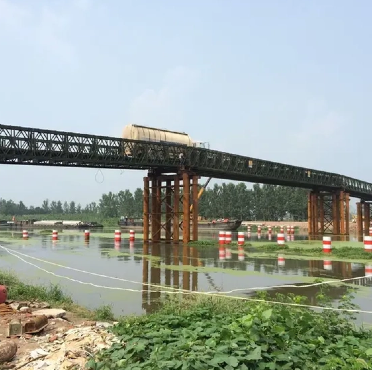
Construction access bridges are often used for temporary purposes and may need to be disassembled and moved once the project is completed. Therefore, ease of assembly and disassembly is an important factor to consider when selecting a bridge. A bridge that is easy to assemble and disassemble will save both time and labor costs, ensuring the project progresses efficiently.
Modular Design: Modular bridges are designed in sections that can be easily assembled and disassembled. These bridges are often preferred for temporary construction access because they can be quickly adapted to different site conditions.
Pre-Fabrication: Pre-fabricated bridges, which are manufactured off-site and assembled on-site, offer significant time savings during the construction phase. This reduces the need for on-site labor and minimizes disruption to the project.
Portability: If the bridge needs to be relocated at any point during the project, portability is key. Lightweight and easily transportable bridges, such as those made of aluminum or modular steel, are ideal for projects that require flexibility.
The design of the bridge should align with the project’s timeline and the potential need for relocation or disassembly at a later stage.
The cost of the construction access bridge is a significant factor to consider when choosing the right solution. It is essential to balance the budget with the quality, durability, and performance requirements of the bridge. While it may be tempting to opt for a less expensive option, it’s important to weigh the long-term costs, including maintenance, repair, and possible early replacement.
Initial Cost vs. Long-Term Savings: While cheaper bridges may save money upfront, they could incur higher maintenance or repair costs down the line. Invest in high-quality materials and designs that will last longer and require fewer repairs.
Cost of Installation: In addition to the cost of the bridge itself, consider the cost of installation. Some bridges are easier to assemble and require less labor, while others may require specialized equipment and labor, increasing the overall cost.
Maintenance Costs: Consider the costs associated with maintaining the bridge over time. For example, bridges made of steel may require regular inspection and maintenance to prevent corrosion, while aluminum bridges may have lower ongoing maintenance costs.
The overall budget should account for not just the bridge but also any additional costs related to installation, maintenance, and removal once the project is complete.
Safety is the top priority when selecting any bridge, and construction access bridges are no exception. These bridges must be designed to ensure the safety of workers, vehicles, and equipment. Safety features should be integrated into the design from the outset to minimize risks and prevent accidents.
Guardrails and Safety Barriers: Construction access bridges should be equipped with guardrails or safety barriers to prevent workers or vehicles from falling off the bridge. These barriers should be high enough to provide protection but not so high as to impede visibility.
Slip-Resistant Surfaces: The surface of the bridge should be slip-resistant to prevent accidents, especially in wet or icy conditions. Textured surfaces or anti-slip coatings can help improve traction.
Load Indicators: Some bridges feature load indicators that help workers know when the maximum load capacity has been reached. These indicators can prevent overloading and reduce the risk of collapse.
Ensuring that the construction access bridge meets the necessary safety standards is essential to protecting workers and ensuring smooth project operations.
The environmental impact of construction access bridges should also be taken into account. In some cases, bridges may need to be designed to minimize the environmental footprint of the construction project. For example, in ecologically sensitive areas, it may be necessary to choose a bridge type that minimizes disruption to wildlife or preserves water quality.
Eco-Friendly Materials: Selecting materials that are environmentally friendly and can be recycled after use is an important consideration, particularly for temporary bridges that will eventually be disassembled.
Impact on Wildlife and Ecosystems: If the construction site is near wetlands, forests, or other sensitive ecosystems, special care must be taken to ensure that the bridge does not disrupt local wildlife or plant life. Floating bridges, for example, are often used in areas where preserving the natural environment is critical.
Choosing the right construction access bridge is vital for ensuring the success and safety of large construction projects. By considering factors such as load capacity, site conditions, materials, ease of installation, cost, safety, and environmental impact, project managers can select the best bridge solution for their needs. With the right bridge in place, construction projects can proceed smoothly, with minimal disruptions and maximum safety and efficiency.
The proper selection of a construction access bridge ensures that workers can move safely between job sites, materials can be transported efficiently, and critical infrastructure can be built with minimal delays. By taking a comprehensive approach to selecting a construction access bridge, large-scale projects can be completed on time, within budget, and with a focus on safety and sustainability.


